

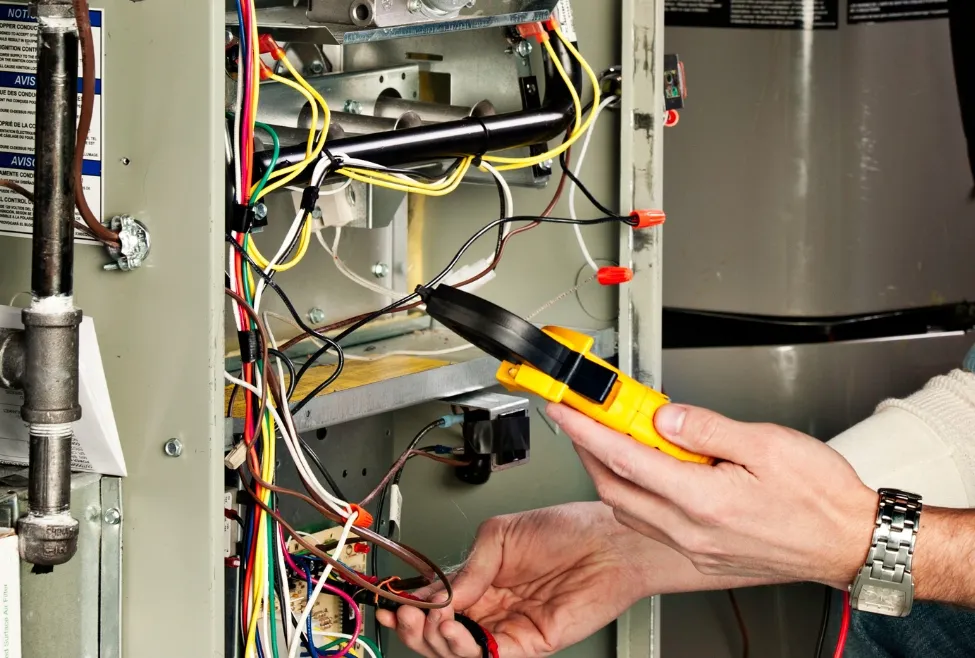
A furnace that refuses to turn on can quickly become a frustrating problem, especially when cooler weather arrives and your home depends on reliable heating. Fortunately, a furnace that will not start does not always mean that a major component has failed. Common causes include thermostat settings, electrical power problems, restricted airflow, and safety shutoffs.
Homeowners can safely perform several basic checks before arranging professional service. However, gas-related problems, electrical faults, ignition failures, and repeated safety shutdowns should be handled by a qualified HVAC professional.
Start With the Thermostat
The thermostat should be the first thing you check. Confirm that it is set to Heat rather than Cool, Off, or Fan Only. Increase the temperature setting several degrees above the current indoor temperature and wait briefly to see whether the furnace responds.
If the thermostat display is blank, check whether it uses batteries and replace them if necessary. A thermostat with a power or communication problem may prevent the furnace from receiving the signal to start.
For smart thermostats, also check the schedule and any displayed error messages. Sometimes a programmed temperature setting can make it appear that the furnace is malfunctioning when the system is simply following its programmed schedule.
Check the Furnace Power Switch
Many furnaces have a dedicated electrical switch located near the unit. It can look much like an ordinary wall light switch. Make sure this switch is in the On position.
Even gas furnaces require electricity for controls, ignition components, motors, and other operating functions. Therefore, a furnace can have an adequate gas supply and still remain completely inactive if electrical power has been interrupted.
Inspect the Circuit Breaker
Next, look at your home’s electrical panel for a breaker labeled Furnace, Heating, HVAC, or something similar. If the breaker has tripped, you can reset it once by moving it completely to the Off position and then back to On.
If it immediately trips again, do not repeatedly reset it. Repeated tripping can indicate an electrical problem that requires professional diagnosis. Trane similarly recommends professional assistance when a furnace breaker continues to trip.
Examine the Air Filter
A dirty furnace filter is another common reason for heating problems. Excessive dust buildup restricts airflow, making the furnace work harder and potentially causing overheating and safety shutdowns.
Remove the filter and inspect it. If it is visibly dirty or clogged, replace it with the correct size and type specified for your system. Make sure the airflow arrow on the replacement filter points in the correct direction.
How frequently a filter needs replacement depends on the filter, household conditions, pets, occupants, and manufacturer recommendations. Some commonly used filters may require replacement every 30 to 90 days.
Make Sure Air Vents Are Not Blocked
Look around the home for closed or obstructed supply registers and return-air vents. Furniture, curtains, rugs, and other objects can restrict airflow.
Although blocked vents may not always prevent the furnace from starting completely, restricted airflow can contribute to overheating, poor heating performance, and repeated shutdowns. Keeping air pathways clear helps the system operate as designed.
Check the Furnace Access Panel
Some furnaces include a safety switch that prevents operation if the access panel is not properly installed. If the panel was recently removed for maintenance or filter access, make sure it is securely positioned according to the manufacturer’s instructions.
Do not remove internal panels or attempt to bypass a safety switch. These components exist to prevent unsafe operation.
Consider the Ignition System
If the thermostat calls for heat and the furnace appears to begin its startup sequence but the burners never ignite, the problem could involve the ignition system.
Modern furnaces may use electronic ignition, while older systems may have a pilot light. Faulty igniters and other ignition-related components generally require professional diagnosis and repair.
Homeowners should avoid experimenting with gas valves, ignition wiring, or internal furnace components.
Check for Gas-Supply Problems Safely
Gas furnaces require an appropriate fuel supply to operate. If other gas appliances in the home are also not working, there could be a broader gas-supply interruption.
However, never troubleshoot a suspected gas leak yourself. If you smell natural gas or hear an unusual hissing sound, leave the property immediately and contact the appropriate gas utility or emergency service from a safe location. Do not operate electrical switches or attempt to ignite the furnace.
Pay Attention to Diagnostic Lights
Many modern furnaces have a control board with diagnostic LEDs that can display a fault code. If your furnace has one, observe the indicator without removing internal components.
The owner’s manual may explain what a particular blinking pattern means. Recording the code can also give an HVAC technician useful information when diagnosing the problem.
What If the Furnace Starts but Quickly Stops?
A furnace that starts and then shuts down is different from one that remains completely inactive. Possible causes include restricted airflow, ignition problems, flame-sensing issues, or another safety control responding to an abnormal operating condition.
For example, a heavily restricted filter can contribute to overheating and cause a safety limit to shut the system down.
If the furnace repeatedly cycles on and off after you’ve checked the thermostat and filter, professional diagnosis is advisable rather than repeatedly restarting the system.
When to Call for Furnace Repair Orange County
Basic troubleshooting can identify simple issues, but homeowners should know when to stop. Professional service is appropriate when:
- The furnace still will not start after basic checks.
- The circuit breaker repeatedly trips.
- The furnace produces unusual or loud noises.
- The ignition system appears to malfunction.
- A safety switch repeatedly shuts the system down.
- You suspect a gas-supply or gas-valve problem.
- There is an unusual gas odor.
- Electrical wiring or internal components appear damaged.
- The furnace repeatedly starts and stops.
A qualified technician can inspect the electrical controls, ignition system, sensors, blower components, gas-related components, and safety controls without putting the homeowner at unnecessary risk.
Preventing Future Furnace Problems
Troubleshooting is useful when a furnace stops unexpectedly, but prevention can reduce the frequency of heating problems. Replace filters according to the manufacturer’s recommendations, keep vents unobstructed, and arrange periodic professional maintenance.
Routine inspections can identify worn components, airflow problems, ignition issues, and other developing faults before they result in a complete loss of heating. Regular maintenance is particularly useful before periods when the furnace will be operating more frequently.
For Orange County homeowners, keeping the heating system maintained can also make it easier to identify problems early rather than waiting until the furnace stops working completely. When basic checks do not resolve the issue, professional furnace repair Orange County services can help determine whether the problem is related to the thermostat, power supply, airflow, ignition, controls, or another component.
Final Thoughts
A furnace that will not turn on can have a surprisingly simple cause, so begin with the thermostat, power switch, circuit breaker, filter, and airflow. These checks can resolve some common problems without requiring extensive intervention.
If the furnace remains unresponsive or shows signs of an electrical, gas, ignition, or safety-related problem, stop troubleshooting and contact a qualified HVAC professional. Taking a cautious approach can protect both your heating equipment and your household while helping ensure the underlying problem is properly diagnosed.
